


























































































Positioning Your Assets

In our new audio seminar, Positioning Your Assets for Growth in Uncertain Times, among the many issues we address are one of the risks of holding your savings in a currency that is falling in value relative to other currencies and real things.

As an example, we show the cash flows of a 5% five-year corporate bond from 2003 to 2008. When the investor gets principal back in 2008, the dollar investment has dropped 50% in purchasing power when measured in the price of gallons of gas.

Now, let’s scale that up for an entire household. Let’s say we have a mother and a father, two children and an elderly grandmother living in the San Francisco Bay area. They have three checking accounts, with total balances of $5,250. The grandmother has two CDs at a local bank for an additional bank balance of $100,000 and the older child has a savings account of $75 from what she saved cutting yards during the summer and babysitting during the school year.

The couple has a 401k and an IRA. Among the assets held in these accounts are dollar- denominated money markets with another $20,175 as well as several dollar-denominated bond funds worth $70,000. They also share a brokerage account that has $30,000 in California municipal bonds and $23,000 in another money market account.

If you look at their collective wallets and the coin jar they have in the living room, they have another $500 in cash within the household. They also have reserves in some of their financing and vendor relations, including a $200 deposit with their utility company and an $800 balance on average in their mortgage reserve for taxes and insurance.

For simplicity’s sake, let’s say they have maintained these average balances from the beginning in 2003 to the beginning of 2008. That is, they have had $250,000 in dollar- denominated assets during this period that produce no or a modest income.

How much have they lost in purchasing power when we use gas as our currency instead of dollars?

They have lost approximately $250,000 of purchasing power in current dollar terms – a quarter of a million dollars!

That’s right. Whatever your average balances held in dollars are over the last five years, that is approximately how much you have lost in real purchasing power when we measure it in gallons of gas priced as of the beginning of the year. Of course, things are worse since then.

Does that help you understand why you are feeling drained?

This type of drain is part of a phenomenon we call the Slow Burn. We want to help you understand the Slow Burn and reverse the drain that a falling dollar is causing in your life. Remember – it is never too late to act!

To order a copy of Positioning Your Assets for Growth in Uncertain Times in mp3 or CD format, click here.


New Audio Seminar

Y’All Are Welcome

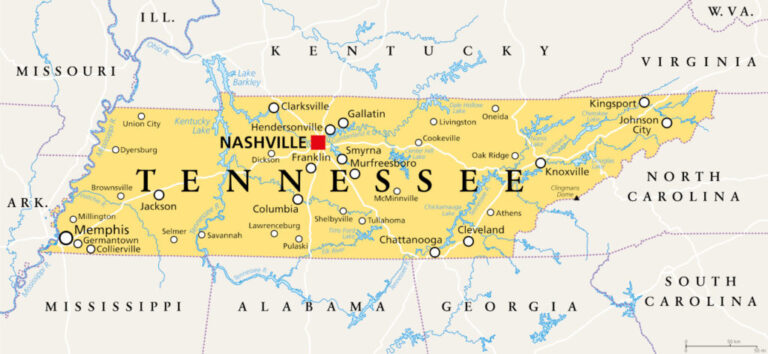
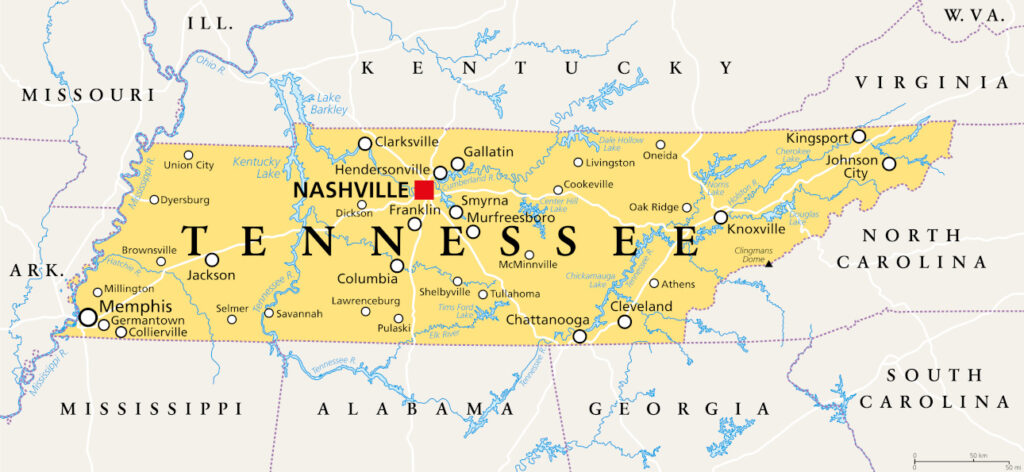
I don’t know which is more nourishing - getting to know my cousin Jane or getting some of the Powell Farm’s sweet corn grown by her husband Billy and son Bob. You can do both this Saturday at the Farmers’ Market in Bolivar, Tennessee. We would love to have you drop by this holiday weekend.

The Bolivar Farmers’ Market is open every Tuesday and Saturday this summer from 7am to 5pm. If you drive into town, it is a block from the courthouse square off of the intersection of Route 18 and Route 64. To find some of the finest sweet corn grown in Tennessee, look for Jane, her grandchildren and a whole pile of sweet corn husks.

Deja Vu View - $59 Billion Missing from HUD

Inspired by an insight from our attorney, Carolyn Betts, and the practice of one of our favorite journalists, Sam Smith at Progressive Review, we are going to republish bits and pieces of previous articles, adding commentary and occasionally taking the liberty of updating or polishing them. We will call these posts “Deja Vu View.”

Here is our first one.

Continue reading ‘Deja Vu View - $59 Billion Missing from HUD’

Vanity Fair on Bear Stearns

Bringing Down Bear Stearns
By Bryan Burrough - Vanity Fair (Aug 2008)

On Monday, March 10, the rumor started: Bear Stearns was having liquidity problems. In fact, the maverick investment bank had around $18 billion in cash reserves. But soon the speculation created its own reality, and the race was on to keep Bear’s crisis from ravaging Wall Street. With the blow-by-blow from insiders, Bryan Burrough follows the players—Bear’s stunned executives, trigger-happy reporters at CNBC, a nervous Fed, a shadowy group of short-sellers—in what some believe was the greatest financial scandal in history.

Read more >>>

Previous blog posts on Bear Stearns:

Financial Truffles (20 Jun 2008)
Money & Markets - Week of 6.16.08
Kirby’s Letter to WSJ (30 May 2008)
The Next Shoe to Drop (20 May 2008)
The Most Profitable Economic Hit in History (13 May 2008)
Loaded for Bear? (12 May 2008)
A Question on Philanthropy (28 Apr 2008)

Ohio Does Sex and Mortgage Fraud

Mark Dann was the attorney general of Ohio. In January, Ohio Attorney General Mark Dann sued Freddie Mac and the members of its board:

Ohio Pension Fund Sues Freddie Mac

That was right after Cleveland sued 21 lenders:

Cleveland Sues 21 Lenders Over Subprime Mortgages

Shortly thereafter Mr. Dann’s office was engulfed with sex scandals related to alleged sexual harrassment by a subordinate:

State Employee on Leave Amid Sexual Harassment Allegations

Continue reading ‘Ohio Does Sex and Mortgage Fraud’

Oklahoma Asserts Sovereignty

View the vote tally in the Oklahoma House of Representatives

-
-
-
-
-
-
-
-
-
-
-
-
-
-
-

U.S. Supreme Court Decision on Gun Ownership

Wikipedia on Gun Politics

The Supreme Court Opens Fire
The Economist (26 Jun 2008)

Read the Supreme Court Decision